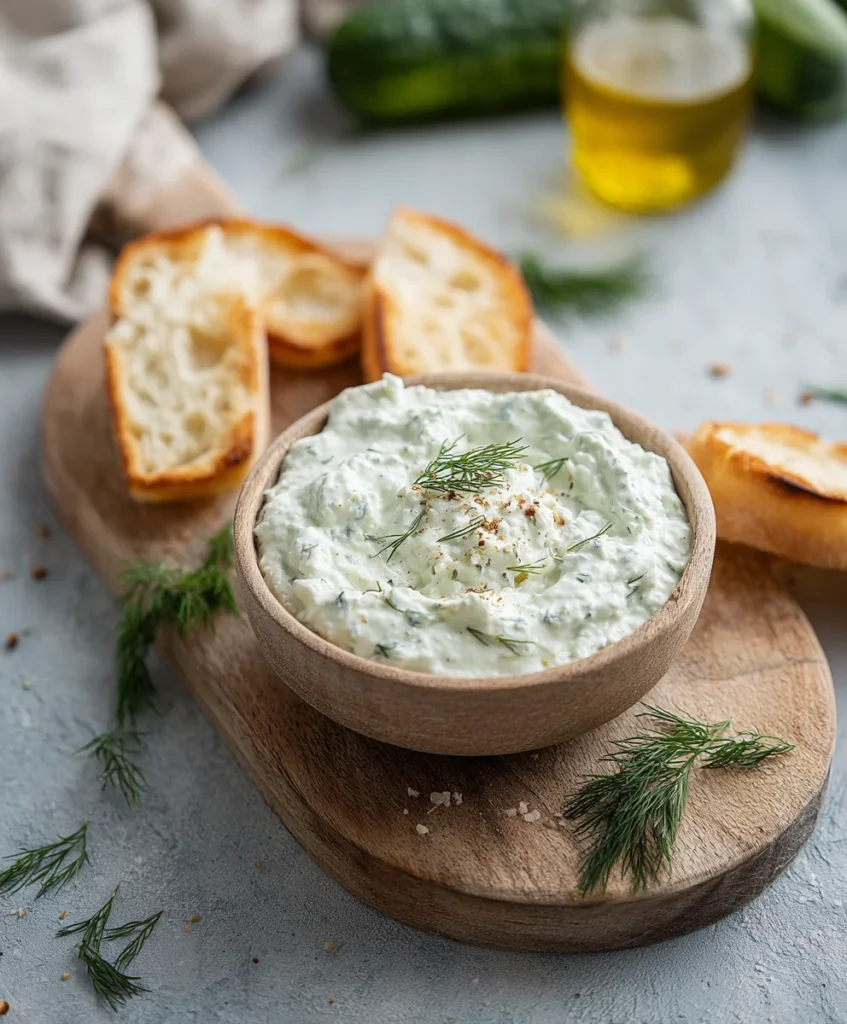
Tzatziki is a traditional Greek dip that has captured the hearts and taste buds of food lovers around the world. This creamy, yogurt-based sauce is not only delicious but also incredibly versatile. It’s perfect for dipping, drizzling, or as a refreshing side dish. Made with simple ingredients like Greek yogurt, cucumber, garlic, and herbs, tzatziki can elevate any meal, from grilled meats to fresh veggies. In this article, we’ll explore the history, taste, and health benefits of tzatziki, while providing you with a foolproof recipe that you can whip up in no time! Whether you’re hosting a summer barbecue or just looking for a light snack, tzatziki is sure to impress.
Why You’ll Love This Recipe
There are countless reasons to fall in love with tzatziki. Firstly, it’s a breeze to make. With just a few fresh ingredients and minimal prep time, you can create a delicious dip that tastes like it came straight from a Greek taverna. The combination of creamy Greek yogurt and crisp cucumber provides a refreshing contrast, while the garlic and dill add an aromatic punch that is simply irresistible.
Moreover, tzatziki is incredibly versatile. You can use it as a dip for pita bread, fresh vegetables, or pita chips. Alternatively, it makes an excellent sauce for grilled meats, drizzling over gyros, or even as a topping for baked potatoes. This means that once you master the art of making tzatziki, you’ll have a go-to recipe for countless meals and gatherings.
Another great aspect of this recipe is its health benefits. Greek yogurt is packed with protein and probiotics, making it a nutritious addition to your diet. The fresh cucumber not only adds crunch but also hydrates and refreshes. Furthermore, tzatziki is low in calories, making it a guilt-free indulgence. You can enjoy it without worrying about your waistline. This makes tzatziki not just a tasty treat but also a health-conscious choice!
Why You Should Try This Recipe
If you haven’t made tzatziki before, now is the perfect time to give it a try. Not only is it simple to prepare, but it also allows you to experiment with flavors and ingredients. The recipe we provide can easily be adapted to suit your preferences, whether you want to ramp up the garlic or add extra herbs. Plus, making tzatziki at home means you can control the ingredients, ensuring it’s fresh and free from preservatives.
Furthermore, this tzatziki recipe is a fantastic way to showcase seasonal produce. In the summer, when cucumbers are at their peak, you’ll appreciate the vibrant flavor they bring to the dish. You can even grow your own cucumbers if you have a garden, making this dip a truly farm-to-table experience.
Another reason to make tzatziki is for its social appeal. It’s a dish that brings people together, whether you’re sharing it at a picnic, a barbecue, or just enjoying it with friends at home. The communal nature of dipping and sharing brings a sense of fun and togetherness to any occasion. Plus, your guests will be impressed by your culinary skills when they taste your homemade tzatziki!
Ingredients and Utensils Needed
To create the perfect tzatziki, you will need the following ingredients:
- 1 cup Greek yogurt: Choose full-fat Greek yogurt for the best creaminess and flavor.
- 1 medium cucumber: Grated and excess moisture squeezed out. This is crucial for a thick tzatziki.
- 2 cloves garlic: Minced finely to release its pungent flavor.
- 1 tablespoon olive oil: Use extra virgin olive oil for a richer taste.
- 1 tablespoon fresh lemon juice: Freshly squeezed lemon adds brightness to the dip.
- 1 tablespoon fresh dill: Chopped. Fresh dill enhances the flavor immensely, but dried dill can be used in a pinch.
- Salt and pepper: To taste, necessary for enhancing flavors.
In addition to the ingredients, you will need the following utensils:
- Box grater or food processor: For grating the cucumber.
- Kitchen towel or cheesecloth: For squeezing out excess moisture from the cucumber.
- Medium mixing bowl: To combine all the ingredients.
- Measuring spoons: For accurate measurements of ingredients.
- Spoon or spatula: For mixing the ingredients together.
- Plastic wrap or lid: For covering the bowl while it chills in the refrigerator.
Detailed Recipe Steps
Now that you have your ingredients ready, let’s dive into the detailed steps for making the perfect tzatziki:
- Prepare the cucumber: Start by grating the cucumber using a box grater or a food processor. Once grated, place the cucumber in a clean kitchen towel or cheesecloth and squeeze out as much moisture as possible. This step is crucial for preventing a watery tzatziki.
- Mix the base: In a medium mixing bowl, combine the Greek yogurt, grated cucumber, and minced garlic. Stir well to incorporate all the ingredients evenly.
- Add the flavor: Pour in the olive oil, fresh lemon juice, and chopped dill to the bowl. Mix everything together until well combined, ensuring that the herbs and seasonings are evenly distributed.
- Season to taste: Season the mixture with salt and pepper according to your preference. Start with a little and adjust to your taste. Remember that the flavors will meld as it chills, so don’t over-season initially.
- Chill the tzatziki: Cover the bowl with plastic wrap or a lid and refrigerate for at least 30 minutes. For best results, let it chill for 1-2 hours. This allows the flavors to develop and intensify.
- Serve and enjoy: Once chilled, give the tzatziki a good stir before serving. It’s perfect as a dip for pita bread, fresh vegetables, or as a sauce for grilled meats. Enjoy your homemade tzatziki!
Here are some practical tips to ensure your tzatziki is a hit:
- Use high-quality Greek yogurt: This will give the dip its creamy texture and rich flavor.
- Don’t skip the moisture-squeezing step: This is vital for avoiding a runny tzatziki.
- Chill longer if possible: The longer it chills, the better the flavors will meld together.
- Experiment with herbs: If you have fresh mint, it can be a wonderful addition to tzatziki.
Tips and Variations
Tzatziki is a versatile dip, and there are many ways to customize it to suit your dietary preferences or to mix things up. Here are some suggestions:
- Vegan Tzatziki: Substitute Greek yogurt with a plant-based yogurt made from coconut or cashews. Ensure it has a similar consistency to Greek yogurt for the best results.
- Gluten-Free Options: Tzatziki is naturally gluten-free, making it a great dip for those with gluten sensitivities. Pair it with gluten-free crackers or veggies.
- Spicy Tzatziki: For a kick, add a pinch of cayenne pepper or red pepper flakes to the mixture.
- Herb Variations: Try using fresh mint or cilantro for a different flavor profile. Each herb will give the tzatziki a unique twist.
- Extra Creamy: For an ultra-creamy texture, add a tablespoon of cream cheese to the mix.
To avoid common mistakes when making tzatziki:
- Ensure your cucumber is fresh: A fresh cucumber will yield the best flavor and texture.
- Don’t skip the chilling time: This is essential for flavor development.
- Adjust seasoning after chilling: Taste after it has chilled to ensure the flavors are balanced.
Nutritional Values and Benefits
Understanding the nutritional values of tzatziki can help you appreciate this dish even more. Here’s the nutritional breakdown per serving (based on 8 servings):
- Calories: 50
- Protein: 4g
- Fat: 3g
- Carbohydrates: 3g
- Fiber: 0g
- Sugar: 2g
- Sodium: 30mg
The primary ingredient, Greek yogurt, is a powerhouse of nutrition. It’s rich in protein, which can help keep you full and satisfied. Additionally, it contains probiotics that support gut health. The cucumber adds hydration and a variety of vitamins, including vitamin K and potassium.
Furthermore, the inclusion of fresh herbs like dill not only enhances the flavor but also provides antioxidants. The healthy fats from olive oil contribute to heart health, making tzatziki a nutritionally balanced choice.
Frequently Asked Questions
What is tzatziki made of?
Tzatziki is made primarily of Greek yogurt, grated cucumber, minced garlic, olive oil, lemon juice, and fresh herbs like dill. It’s a creamy, refreshing dip that pairs well with various dishes.
How long does tzatziki last in the fridge?
Tzatziki can last in the refrigerator for up to 3-5 days when stored in an airtight container. Make sure to stir it before serving as the ingredients may separate over time.
Can you freeze tzatziki?
While it’s not recommended to freeze tzatziki due to its yogurt base, if you do freeze it, be aware that the texture may change upon thawing. It’s best enjoyed fresh.
Is tzatziki healthy?
Yes, tzatziki is generally considered healthy. It’s low in calories, high in protein, and contains beneficial probiotics. It’s a nutritious option for a dip or sauce.
What can I serve with tzatziki?
Tzatziki pairs well with pita bread, fresh vegetables, grilled meats, or as a topping for gyros. It’s also delightful drizzled over salads or grain bowls.
In conclusion, tzatziki is a delightful and versatile dish that’s easy to prepare and packed with flavor. With its creamy texture and refreshing taste, it’s perfect for any occasion, from casual gatherings to elegant dinners. We encourage you to try making this tzatziki recipe at home and enjoy the wonderful flavors it offers. Don’t forget to share your experience in the comments below or on social media! For more delicious recipes, check out our Pinterest page here.
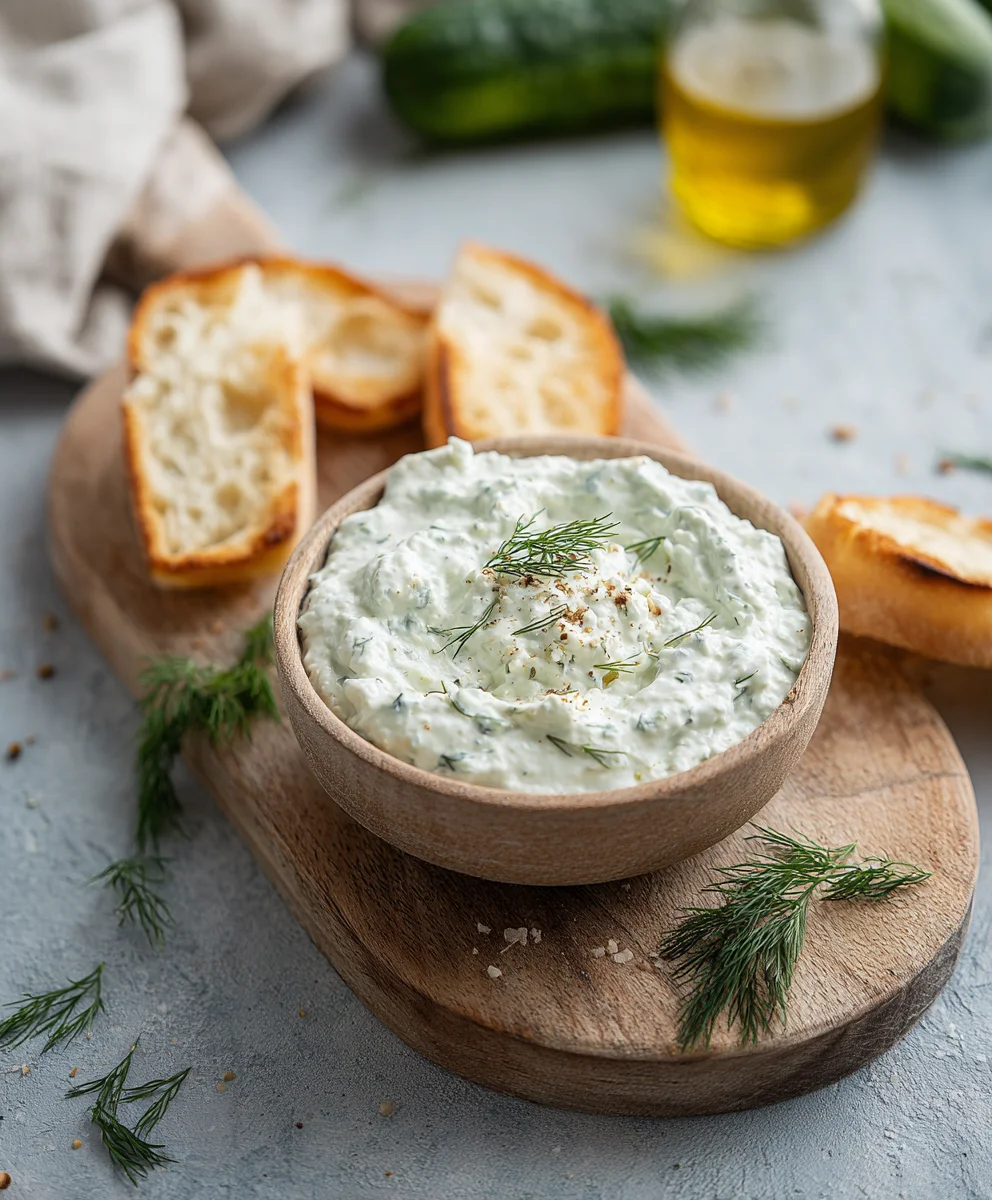
Classic Tzatziki Sauce
Ingredients
Equipment
Method
- Grate the cucumber using a box grater or food processor. Place the grated cucumber in a clean kitchen towel or cheesecloth and squeeze out as much excess moisture as possible.
- In a medium mixing bowl, combine the Greek yogurt, grated cucumber, and minced garlic.
- Add the olive oil, fresh lemon juice, and chopped dill to the bowl. Stir everything together until well combined.
- Season the mixture with salt and pepper to taste. Adjust the seasoning as needed based on your preference.
- Cover the bowl with plastic wrap or a lid and refrigerate for at least 30 minutes to allow the flavors to meld together. For best results, let it chill for 1-2 hours.
- Serve the tzatziki as a dip with pita bread, fresh vegetables, or as a sauce for grilled meats.