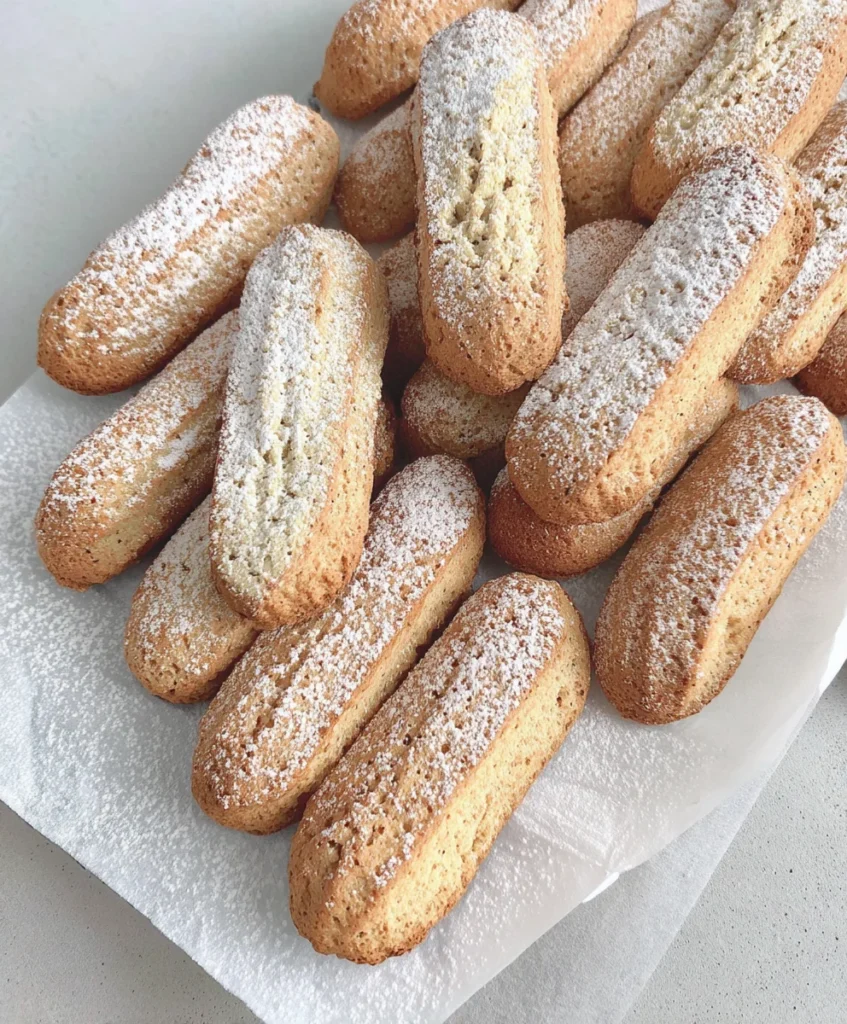
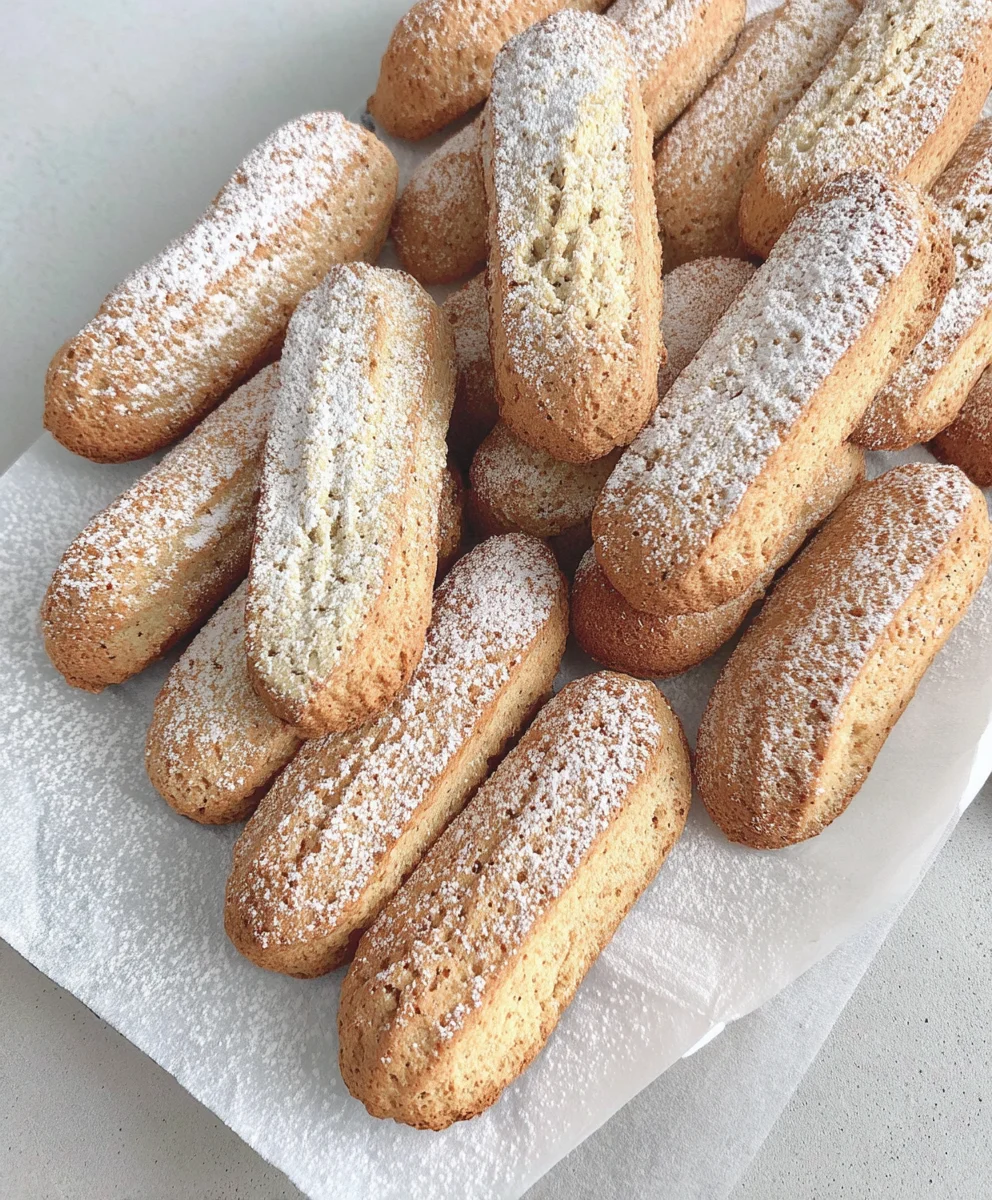
If you’re looking for a delightful, light, and airy treat, look no further than sponge fingers. These deliciously soft biscuits are incredibly versatile and can be enjoyed on their own or used as a key component in a variety of classic desserts. Originating from Italy, sponge fingers, also known as ladyfingers, are a staple in recipes like tiramisu and charlottes. Their unique texture and subtle sweetness make them a favorite for both kids and adults alike.
In this article, we’ll explore why you’ll love this recipe, the essential ingredients, detailed preparation steps, and tips for variations and substitutions. So roll up your sleeves, and let’s dive into the wonderful world of sponge fingers!
Why You’ll Love This Recipe
There are countless reasons to fall in love with sponge fingers. Here are just a few:
- Easy to Make: The recipe is straightforward and requires minimal ingredients, making it perfect for beginners and seasoned bakers alike.
- Versatile: Use them in desserts like tiramisu, trifles, or serve them alongside fresh fruit and whipped cream for a simple yet elegant presentation.
- Customizable: You can easily modify this basic recipe. Add flavors like lemon zest or cocoa powder to create unique variations.
- Light and Airy: The texture of sponge fingers is incredibly light, making them a delightful addition to any dessert. They soak up flavors beautifully without becoming too soggy.
- Perfect for Any Occasion: Whether it’s a special celebration or a casual gathering, sponge fingers are a hit at any event.
Not only are these treats delicious, but they also evoke nostalgia for many home bakers, reminding us of family gatherings and the sweet aroma of baking filling the air. Imagine serving sponge fingers with a rich espresso or pairing them with a fruity dessert your guests will be asking for seconds!
Why You Should Try This Recipe
This sponge fingers recipe is not just about taste; it’s also about the experience of baking and sharing something homemade. Here are compelling reasons to give it a try:
- Impressive Results: Even if you’re a novice baker, the results will impress your family and friends. The golden color and delicate structure of the sponge fingers add an elegant touch to any dessert.
- Healthy Ingredients: With just a few wholesome ingredients, you can create a treat that’s free from preservatives and artificial flavors. You know exactly what’s in your sponge fingers!
- Great for Kids: This recipe is a wonderful opportunity to involve children in the kitchen. They will love the process of beating eggs and watching the batter transform into delightful fingers.
- Make Ahead: Sponge fingers can be made in advance and stored, making them a convenient option for gatherings or special occasions.
- Perfect Base for Desserts: They serve as an excellent base for many desserts, allowing you to unleash your creativity in the kitchen.
When you make sponge fingers, you’re not just baking; you’re creating memories. The joy of sharing your homemade treats with loved ones is priceless. So why not give this recipe a try? Your taste buds will thank you!
Ingredients and Utensils Needed
Before you get started, let’s gather all the ingredients and tools you’ll need to create these delightful sponge fingers.
Ingredients
- 4 large eggs, separated
- 1 cup granulated sugar
- 1 cup all-purpose flour
- 1 teaspoon vanilla extract
- 1/4 teaspoon salt
- Powdered sugar for dusting
Recommended Utensils
- Electric mixer: Essential for beating the egg whites and yolks to the right consistency.
- Mixing bowls: One for the egg whites and another for the yolks.
- Piping bag: To pipe the batter onto the baking sheets. If you don’t have one, you can use a resealable plastic bag with the corner snipped off.
- Parchment paper: To line your baking sheets, ensuring the sponge fingers do not stick.
- Sifter: For sifting the flour and salt, ensuring a light batter.
- Spatula: For folding the ingredients together gently.
- Wire rack: To cool the sponge fingers after baking.
Having the right ingredients and tools can make all the difference in the success of your sponge fingers. Gather everything before you start so you can focus on the fun part baking!
Detailed Recipe Steps
Now that you have your ingredients ready, let’s get into the step-by-step process of making sponge fingers. Each step is crucial, so follow along carefully.
Step 1: Preheat the Oven
Preheat your oven to 350°F (175°C). Line two baking sheets with parchment paper and set them aside. Preheating ensures your sponge fingers bake evenly and achieve that perfect golden color.
Step 2: Beat the Egg Whites
In a large mixing bowl, beat the egg whites with an electric mixer on medium speed until soft peaks form. This is a crucial step; the egg whites need to be whipped until they are fluffy and hold their shape.
Gradually add half of the granulated sugar while continuing to beat. Keep going until the mixture becomes glossy and holds stiff peaks. This process incorporates air into the egg whites, which is essential for the lightness of the sponge fingers.
Step 3: Prepare the Egg Yolks
In another bowl, whisk the egg yolks with the remaining granulated sugar and vanilla extract. Beat this mixture until it becomes thick and pale this should take about 3-5 minutes. The yolks will add richness and flavor to your sponge fingers.
Step 4: Combine Egg Whites and Yolks
Gently fold the beaten egg whites into the egg yolk mixture in thirds. Use a spatula to combine carefully, making sure you don’t deflate the egg whites. This folding technique is important for maintaining the airy texture that makes sponge fingers so delightful.
Step 5: Add Flour and Salt
Next, sift the all-purpose flour and salt over the combined mixture. Gently fold it in until no flour streaks remain, being careful not to overmix. Overmixing can lead to dense sponge fingers, which we want to avoid!
Step 6: Pipe the Batter
Transfer the batter to a piping bag fitted with a round tip. Pipe the batter onto the prepared baking sheets in long strips, about 4 inches long and 1 inch wide. Leave some space between each finger to allow for spreading while baking.
Step 7: Dust with Powdered Sugar
Once you’ve piped the batter, lightly dust the sponge fingers with powdered sugar. This adds a touch of sweetness and helps create a beautiful finish once baked.
Step 8: Bake
Bake in the preheated oven for 10-12 minutes, or until the sponge fingers are lightly golden and spring back when touched. Keep an eye on them to prevent overbaking, as they can quickly go from perfect to dry.
Step 9: Cooling
Once baked, remove the sheets from the oven and let them cool for a few minutes. Then, transfer the sponge fingers to a wire rack to cool completely. Cooling them on a rack prevents them from becoming soggy.
Step 10: Serve and Enjoy!
Now that your sponge fingers are ready, you can serve them as a delightful treat on their own or use them in desserts like tiramisu or charlottes. They are sure to impress everyone!
Tips and Variations
While this recipe for sponge fingers is already fantastic, here are some tips and variations to make it even better:
Variations
- Chocolate Sponge Fingers: Add 2 tablespoons of cocoa powder to the flour for a chocolatey twist.
- Citrus Zest: Incorporate lemon or orange zest into the egg yolk mixture for a refreshing flavor.
- Almond Extract: Substitute vanilla extract with almond extract for a nutty flavor.
Tips to Avoid Common Mistakes
- Don’t Overmix: When folding in the egg whites, be gentle to keep the batter light and airy.
- Room Temperature Eggs: Using eggs at room temperature helps them whip better and achieve greater volume.
- Proper Baking Time: Keep an eye on your sponge fingers; every oven is different, and they can bake quickly.
- Storing: Store any leftover sponge fingers in an airtight container to keep them fresh.
Nutritional Values and Benefits
Here’s a breakdown of the nutritional content for each sponge finger based on a serving of 24:
- Calories: 45
- Protein: 1 g
- Fat: 0.5 g
- Carbohydrates: 9 g
- Sugar: 4 g
- Fiber: 0 g
- Sodium: 20 mg
These sponge fingers offer a delightful treat without being overly indulgent. They are low in fat and can be a great option for those looking to satisfy their sweet tooth without the guilt. The eggs provide protein, while the sugar gives a quick energy boost. Moreover, using fresh ingredients contributes to a wholesome dessert experience.
Frequently Asked Questions
What can I use sponge fingers for?
Sponge fingers are incredibly versatile! They can be used in desserts like tiramisu, charlottes, and trifles, or served with fresh fruit and whipped cream.
How do I store leftover sponge fingers?
Store leftover sponge fingers in an airtight container at room temperature for up to 3 days or refrigerate for longer freshness.
Can I make sponge fingers gluten-free?
Yes, you can make gluten-free sponge fingers by substituting all-purpose flour with a gluten-free flour blend.
How can I make sponge fingers dairy-free?
To make dairy-free sponge fingers, simply ensure that any additional ingredients you use, like whipped cream, are dairy-free alternatives.
What is the best way to serve sponge fingers?
Sponge fingers can be served on their own, with coffee, or used in desserts like tiramisu or layered with berries and cream.
Conclusion
In conclusion, making sponge fingers is a rewarding experience that results in a deliciously light treat perfect for any occasion. With just a few simple ingredients and steps, you can create these delightful biscuits that are sure to impress. Whether you enjoy them alone or as part of a dessert, sponge fingers are a timeless classic that belongs in every baker’s repertoire.
We hope you give this recipe a try and share your results in the comments below! Don’t forget to share this article with friends and family, and check out our other delightful recipes like Naan, Gingerbread and Caramel Trifle, and Chocolate Cream Pie. Happy baking!
For more inspiration, visit our Pinterest page at See More Recipes Blog.
Sponge Fingers
Ingredients
Equipment
Method
- Preheat your oven to 350°F (175°C). Line two baking sheets with parchment paper and set aside.
- In a large mixing bowl, beat the egg whites with an electric mixer on medium speed until soft peaks form. Gradually add half of the granulated sugar, continuing to beat until the mixture is glossy and holds stiff peaks. Set aside.
- In another bowl, whisk the egg yolks with the remaining granulated sugar and vanilla extract until the mixture is thick and pale, about 3-5 minutes.
- Gently fold the beaten egg whites into the egg yolk mixture in thirds. Use a spatula to carefully combine them, being cautious not to deflate the egg whites.
- Sift the all-purpose flour and salt over the mixture and gently fold it in until no flour streaks remain. Be careful not to overmix.
- Transfer the batter to a piping bag fitted with a round tip. Pipe the batter onto the prepared baking sheets in long strips, about 4 inches long and 1 inch wide, leaving some space between each finger.
- Once piped, dust the sponge fingers lightly with powdered sugar.
- Bake in the preheated oven for 10-12 minutes, or until the sponge fingers are lightly golden and spring back when touched.
- Remove from the oven and let them cool on the baking sheets for a few minutes before transferring them to a wire rack to cool completely.
- Serve the sponge fingers as a delightful treat on their own or use them in desserts like tiramisu or charlottes.