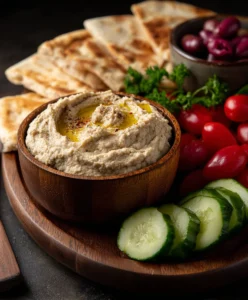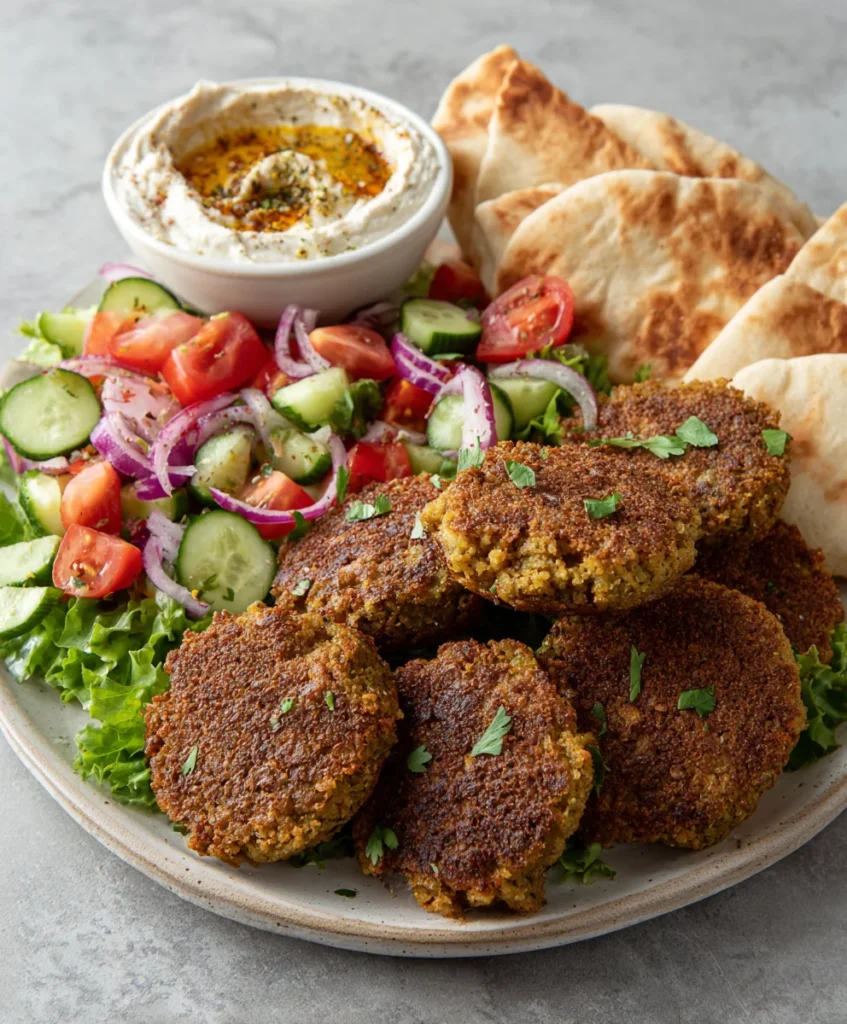
Welcome to your culinary adventure with falafel, the beloved Middle Eastern snack that has won hearts around the world! If you’ve ever bitten into a warm, crispy falafel ball bursting with flavor, you know just how delightful these chickpea fritters can be. Whether you’re a vegan, vegetarian, or a meat-lover looking to explore new flavors, falafel is a must-try dish. Not only is it delicious, but it’s also packed with nutrients, making it a perfect addition to your meal rotation. In this article, we’ll explore everything you need to know about making falafel, including why you’ll love this recipe, the ingredients you’ll need, step-by-step instructions, and tips for variations to suit your taste!
Why You’ll Love This Recipe
Falafel is more than just food; it’s a cultural experience. With its origins in the Middle East, this dish has traveled across continents, evolving into a favorite street food in many countries. Here’s why you’ll love making falafel at home:
- Health Benefits: Falafel is made primarily from chickpeas, which are an excellent source of plant-based protein and dietary fiber. These nutrients help keep you full and satisfied, making falafel a healthy option for lunch or dinner.
- Customizable: The beauty of making falafel at home is that you can customize the flavors according to your preferences. Whether you like it spicy, garlicky, or fresh with herbs, the choice is yours!
- Easy to Make: With just a few simple ingredients and steps, you can whip up a batch of falafel that’s perfect for any occasion, from casual gatherings to elegant dinner parties.
- Perfect for Meal Prep: Falafel can be made ahead of time and stored in the fridge or freezer. They reheat well, making them a great option for busy weeknights.
- Versatile Serving Options: Serve falafel in a pita with fresh veggies and tahini sauce, as part of a mezze platter, or on top of a salad for a nutritious meal.
Why You Should Try This Recipe
There are countless reasons to try making falafel at home. If you’ve ever had a store-bought version that was dry or bland, making your own allows you to control the flavors and textures. Freshly made falafel is crispy on the outside and soft on the inside, providing a delightful contrast that’s hard to resist. Moreover, this recipe is perfect for gatherings and can be served as an appetizer or main course. You’ll impress your friends and family with your culinary skills!
Additionally, homemade falafel is free from preservatives and artificial ingredients, making it a healthier choice. You can experiment with different herbs and spices to create your unique twist on this classic dish. Plus, falafel is typically vegan and can easily be made gluten-free by substituting the flour with gluten-free alternatives.
Finally, falafel is not just a meal; it’s a conversation starter. Sharing food from different cultures can spark discussions about traditions and experiences, making your dining experience even more enjoyable. So roll up your sleeves and get ready to dive into the world of falafel!
Ingredients and Utensils Needed
To make delicious falafel, you’ll need the following ingredients:
Ingredients:
- 1 cup dried chickpeas (soaked overnight)
- 1 small onion, roughly chopped
- 2 cloves garlic, minced
- 1/4 cup fresh parsley, chopped
- 1/4 cup fresh cilantro, chopped
- 1 teaspoon ground cumin
- 1 teaspoon ground coriander
- 1 teaspoon salt
- 1/2 teaspoon black pepper
- 1/2 teaspoon baking powder
- 1 tablespoon all-purpose flour (optional)
- Oil for frying
These ingredients are simple yet flavorful. The chickpeas serve as the base, while the herbs and spices elevate the taste to new heights.
Recommended Tools:
- Food Processor: Essential for blending the ingredients into the perfect falafel mixture without turning it into a puree.
- Deep Fryer or Skillet: For frying the falafel until golden brown and crispy.
- Slotted Spoon: Useful for transferring the fried falafel to a paper towel-lined plate for draining.
- Mixing Bowl: Needed for combining the chickpea mixture and letting it rest.
- Measuring Cups and Spoons: To ensure accurate ingredient quantities.
- Paper Towels: For draining excess oil after frying.
With these ingredients and tools, you’ll be well on your way to making perfect falafel. Remember, quality ingredients can make a big difference in the final dish, so opt for fresh herbs and high-quality spices when possible.
Detailed Recipe Steps
Now that you have everything you need, let’s dive into the detailed steps for making falafel:
- Soak the Chickpeas: Start by soaking 1 cup of dried chickpeas in plenty of water overnight. This rehydrates them and makes them easier to blend. If you forget to soak them, you can quick-soak them by boiling them for an hour and then letting them sit for an additional hour in hot water.
- Prepare the Mixture: After soaking, drain and rinse the chickpeas. Place them in your food processor along with the chopped onion, minced garlic, parsley, cilantro, cumin, coriander, salt, and pepper. Pulse the mixture until it is finely chopped but not pureed. Scrape down the sides of the bowl as needed to ensure everything is evenly mixed.
- Add Baking Powder: Transfer the mixture to a mixing bowl and stir in the baking powder and flour (if using). The flour can help bind the mixture if it feels too wet. Allow the mixture to rest for about 30 minutes. This step helps the flavors meld together and makes it easier to shape the falafel.
- Heat the Oil: In a deep skillet or frying pan, heat oil over medium heat. You want enough oil to submerge the falafel balls, usually about 2-3 inches deep. The oil should reach a temperature of around 350°F (175°C) for optimal frying.
- Shape the Falafel: While the oil is heating, shape the falafel mixture into small balls or patties, about the size of a golf ball. You can use your hands or a small ice cream scoop for uniformity. If the mixture is too crumbly, add a little water; if too wet, add a bit more flour.
- Fry the Falafel: Carefully drop the falafel into the hot oil, frying in batches to avoid overcrowding the pan. Fry for about 3-4 minutes on each side or until golden brown and crispy. You want to achieve a nice crust while keeping the inside soft and flavorful.
- Drain Excess Oil: Using a slotted spoon, transfer the fried falafel to a plate lined with paper towels to drain excess oil. This step is crucial for achieving that perfect crispy texture without being greasy.
- Serve and Enjoy: Serve the falafel warm with your choice of dipping sauce, such as tahini or yogurt. They’re perfect for stuffing into pita bread with fresh vegetables or serving alongside a salad for a complete meal!
With these detailed steps, you’re well-equipped to make your own falafel at home. Remember, practice makes perfect, so don’t be discouraged if your first batch isn’t perfect!
Tips and Variations
Here are some tips and variations to help you customize your falafel experience:
Alternative Ingredients:
- Herbs: Feel free to swap out the parsley and cilantro for other herbs such as mint or dill for a unique flavor profile.
- Spices: Add a pinch of cayenne pepper or paprika for a spicy kick. You can also experiment with other spices like sumac or za’atar for an extra layer of flavor.
- Binders: If you’re looking for a gluten-free option, substitute all-purpose flour with chickpea flour or ground oats.
Common Mistakes to Avoid:
- Over-blending: Be careful not to over-blend the chickpea mixture, as it should be coarse, not pureed.
- Incorrect Oil Temperature: If the oil is too hot, the falafel will burn on the outside while remaining raw inside. If it’s too cold, the falafel will absorb too much oil and become greasy.
- Not Resting the Mixture: Allowing the mixture to rest is crucial for binding and flavor development. Don’t skip this step!
By following these tips and variations, you can create a falafel that perfectly suits your taste. Enjoy experimenting!
Nutritional Values and Benefits
Falafel is not just delicious; it’s also packed with nutritional benefits. Here’s a breakdown of the nutritional values per serving (based on 4 servings):
- Calories: 220
- Protein: 10g
- Fat: 10g
- Carbohydrates: 28g
- Fiber: 7g
- Sodium: 300mg
Chickpeas, the main ingredient in falafel, are rich in protein and fiber, contributing to overall health. They are known to promote digestive health and can aid in weight management due to their satiating properties. Additionally, the herbs used in this recipe provide essential vitamins and minerals, while the spices offer antioxidant benefits.
Overall, falafel is a nutritious and satisfying option that can be part of a balanced diet. Enjoy it in moderation as part of a healthy lifestyle!
Frequently Asked Questions
What is falafel made of?
Falafel is primarily made from soaked and ground chickpeas, mixed with herbs like parsley and cilantro, garlic, onions, and spices such as cumin and coriander.
Is falafel healthy?
Yes, falafel is considered a healthy option as it is high in protein, fiber, and various vitamins. However, frying can add calories, so baking is a lighter alternative.
Can I make falafel in advance?
Absolutely! You can prepare falafel mixture a day ahead and refrigerate it. You can also freeze shaped falafel balls and fry them a later time.
What do you serve with falafel?
Falafel is delicious served in a pita with fresh vegetables and sauces like tahini or yogurt. It can also be served as part of a mezze platter or salad.
Can falafel be made gluten-free?
Yes! To make gluten-free falafel, simply substitute the all-purpose flour with chickpea flour or omit it altogether if the mixture holds together well.
Conclusion
In conclusion, falafel is a delightful and nutritious dish that’s perfect for any meal. With its rich flavors and crispy texture, it’s sure to become a favorite in your household. Whether you enjoy it in a pita, on a salad, or as part of a mezze platter, the possibilities are endless. Don’t forget to share your falafel creations with us in the comments below, and feel free to share this article with friends and family who might want to try their hand at making falafel. Happy cooking!
For more delicious recipes, check out our [Pinterest page](https://www.pinterest.com/seemorerecipesblog/) and explore more culinary adventures!
For more amazing recipes, click on these links: Shrimp Aguachile, Leek and Camembert Tart, Ham and Chicken Croquettes, Masala Potato Cakes, Tzatziki, Rosemary Focaccia, and Leek and Cheese Borek.
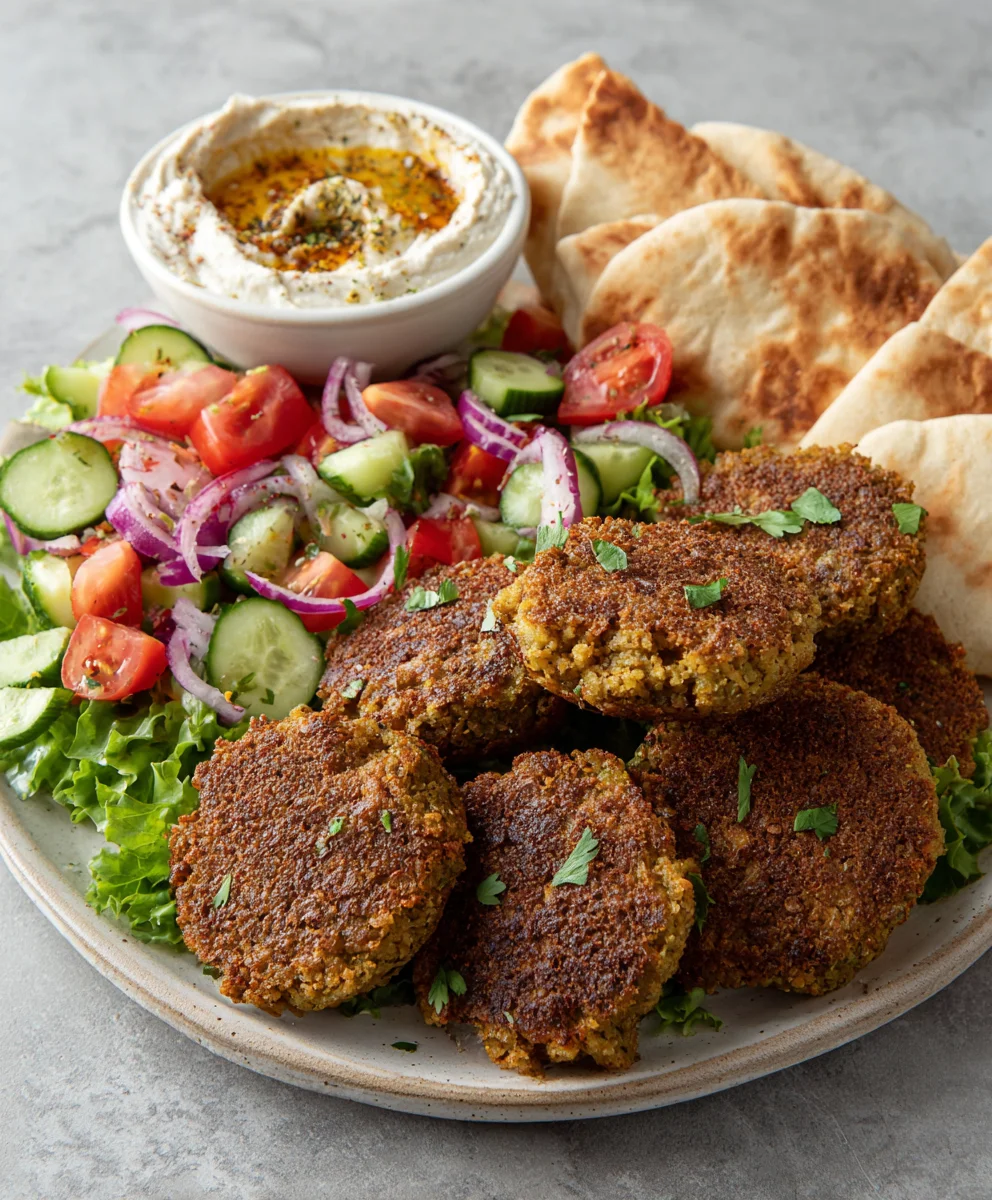
Homemade Falafel
Ingredients
Equipment
Method
- Drain and rinse the soaked chickpeas. Place them in a food processor along with the chopped onion, minced garlic, parsley, cilantro, cumin, coriander, salt, and pepper.
- Pulse the mixture until it is finely chopped but not pureed. Scrape down the sides of the bowl as needed to ensure everything is evenly mixed.
- Transfer the mixture to a bowl and stir in the baking powder and flour (if using). Allow the mixture to rest for about 30 minutes.
- Heat oil in a deep skillet or frying pan over medium heat. You want enough oil to submerge the falafel balls.
- While the oil is heating, shape the falafel mixture into small balls or patties, about the size of a golf ball.
- Carefully drop the falafel into the hot oil, frying in batches to avoid overcrowding the pan. Fry for about 3-4 minutes on each side, or until golden brown and crispy.
- Using a slotted spoon, transfer the fried falafel to a plate lined with paper towels to drain excess oil.
- Serve the falafel warm with your choice of dipping sauce, such as tahini or yogurt, and enjoy!