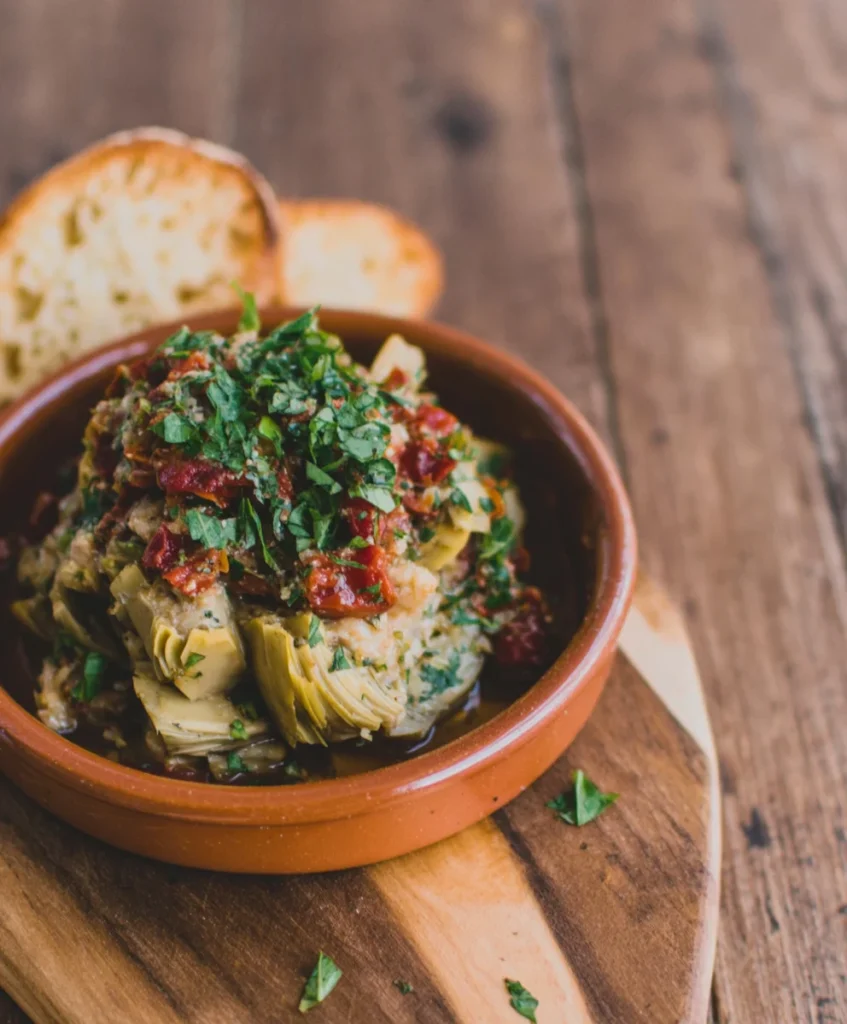
Artichoke Ragu is a delightful dish that brings together the robust flavors of the Mediterranean, making it a perfect addition to your culinary repertoire. Whether you’re a seasoned chef or a home-cooking enthusiast, this recipe is sure to impress. The combination of tender artichokes, ripe tomatoes, and aromatic herbs creates a sauce that is both hearty and satisfying. It can be served over pasta, dolloped onto polenta, or enjoyed with a slice of crusty bread. With its rich flavors and healthy ingredients, Artichoke Ragu is more than just a meal; it’s an experience. Let’s dive into why you’ll love this recipe and how to make it a staple in your kitchen.
Why You’ll Love This Recipe
There are countless reasons to fall in love with Artichoke Ragu. First and foremost, it’s incredibly versatile. This dish can be a main course, a side dish, or even a topping for a variety of bases. You can pair it with pasta, polenta, or serve it as a hearty dip with bread. The flavor profile is robust yet balanced, thanks to the combination of tomatoes, herbs, and artichokes. Furthermore, it’s a quick and easy recipe that doesn’t require any complicated techniques or hard-to-find ingredients.
Moreover, Artichoke Ragu is packed with nutrients. Artichokes are known for their high fiber content and antioxidant properties. They are low in calories and rich in vitamins C and K. This means you can indulge in this dish without the guilt of overindulgence. The addition of fresh vegetables like onions and bell peppers not only enhances the flavor but also boosts the nutritional value.
Finally, this recipe is customizable to suit your dietary preferences. Whether you’re looking for a vegan option or want to add some protein with chicken or sausage, Artichoke Ragu can easily be adapted to meet your needs. You can even spice it up with different herbs or add a touch of cream for a richer flavor. It’s a dish that invites creativity and experimentation!
Why You Should Try This Recipe
Trying out Artichoke Ragu is not just about cooking; it’s about exploring the wonderful world of Italian cuisine. This dish embodies the spirit of rustic Italian cooking: simple ingredients transformed into something extraordinary. Each bite tells a story of tradition and love for food. The process of making this ragu allows you to engage with the ingredients, appreciate their natural flavors, and bring them together in harmony.
The recipe is designed for everyone, from novice cooks to culinary experts. It requires minimal preparation, which makes it a perfect option for busy weeknights or leisurely weekends. The cooking process is straightforward, allowing you to focus on the joy of cooking rather than getting lost in complicated methods.
Additionally, serving Artichoke Ragu to guests is sure to impress. It’s a dish that looks beautiful on the plate and is guaranteed to be a conversation starter. Imagine the compliments you’ll receive as you share this delicious and hearty meal with friends and family. You can also feel good about serving something that’s both nutritious and satisfying.
Ingredients and Utensils Needed
Ingredients
- 1 can (14 oz) artichoke hearts, drained and chopped
- 1 medium onion, finely chopped
- 3 cloves garlic, minced
- 1 bell pepper, diced (any color)
- 1 can (14 oz) diced tomatoes
- 1 tablespoon olive oil
- 1 teaspoon dried oregano
- 1 teaspoon dried basil
- 1/2 teaspoon red pepper flakes (optional)
- Salt and black pepper to taste
- Fresh parsley, chopped (for garnish)
- Grated Parmesan cheese (for serving, optional)
Recommended Utensils
- Large skillet or frying pan
- Chopping board
- Sharp knife
- Wooden spoon or spatula
- Can opener (for the canned ingredients)
- Measuring spoons
- Serving dishes
Having the right tools can make the cooking process smoother and more enjoyable. A good quality skillet ensures even cooking, while a sharp knife will make chopping vegetables a breeze. Follow these ingredient and utensil guidelines, and you’ll be set up for success!
Detailed Recipe Steps
Step 1: Prepare the Ingredients
Begin by prepping your ingredients. Drain and chop the artichoke hearts, ensuring they’re cut into bite-sized pieces. Finely chop the onion and mince the garlic. Finally, dice the bell pepper. Preparing your ingredients in advance will make the cooking process smoother and more enjoyable.
Step 2: Sauté the Vegetables
In a large skillet, heat the olive oil over medium heat. Once hot, add in the chopped onions and diced bell pepper. Sauté for about 5 minutes, or until the onions become translucent. Stir occasionally to prevent sticking. This step is crucial as it lays the foundation for the flavor of your ragu.
Step 3: Add Garlic
Next, stir in the minced garlic and continue to sauté for another 1-2 minutes until fragrant. Be careful not to let the garlic burn, as it can become bitter. This step will infuse your dish with a delicious aroma.
Step 4: Incorporate Artichokes and Tomatoes
Now it’s time to add the chopped artichoke hearts into the skillet, along with the diced tomatoes (with their juices). Stir well to combine all the ingredients, allowing the tomatoes to mingle with the other flavors.
Step 5: Season the Ragu
Sprinkle in the dried oregano, dried basil, and red pepper flakes (if using). Season with salt and black pepper to taste. Stir to ensure all the flavors are evenly distributed. This is where your ragu starts to come to life!
Step 6: Simmer
Reduce the heat to low and let the ragu simmer for about 15-20 minutes. Stir occasionally to prevent sticking. You’ll notice the mixture thickening slightly and the flavors melding beautifully. This simmering step is where the magic happens, as the ingredients meld together to create a cohesive sauce.
Step 7: Serve
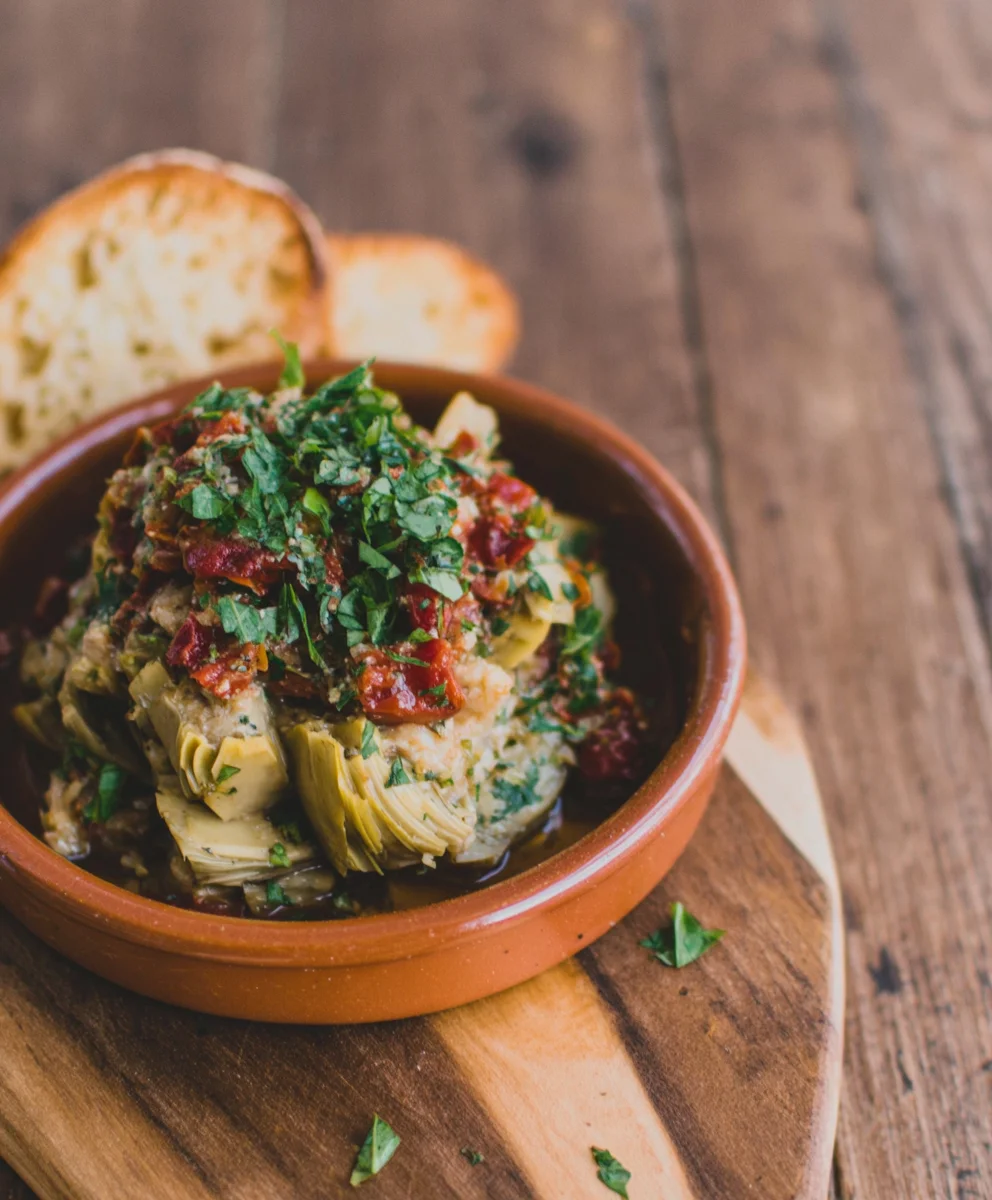
Once the ragu is ready, remove it from heat. Serve warm, garnished with freshly chopped parsley and, if desired, a sprinkle of grated Parmesan cheese. This ragu pairs beautifully with pasta, polenta, or crusty bread. Enjoy the burst of flavors in every bite!
Tips and Variations
There are numerous ways to enjoy and customize Artichoke Ragu. Here are some tips and variations to consider:
- Vegan Option: To make this dish vegan, simply omit the Parmesan cheese or use a dairy-free alternative.
- Gluten-Free: Serve the ragu with gluten-free pasta or polenta.
- Protein Additions: For a heartier dish, consider adding cooked chicken, sausage, or beans to the ragu.
- Spice It Up: If you love heat, increase the amount of red pepper flakes or add a pinch of cayenne pepper.
- Herb Variations: Feel free to experiment with different herbs such as thyme, rosemary, or even fresh basil for a unique twist.
When making this ragu, avoid common mistakes like burning the garlic – always watch it closely! Additionally, if you prefer a smoother sauce, consider using an immersion blender to puree the ragu slightly after it’s done cooking.
Nutritional Values and Benefits
Artichoke Ragu is not only delicious but also nutritious. Here’s a breakdown of the nutritional values per serving (based on 4 servings):
- Calories: 150
- Total Fat: 7g
- Saturated Fat: 1g
- Cholesterol: 5mg
- Sodium: 320mg
- Total Carbohydrates: 20g
- Dietary Fiber: 5g
- Sugars: 3g
- Protein: 4g
This dish is rich in dietary fiber, thanks to the artichokes and vegetables, promoting digestive health and keeping you full longer. The tomatoes provide a good source of vitamins C and K, while the olive oil adds healthy fats. Including artichokes in your diet is also beneficial; they are known to support liver health and have antioxidant properties.
Frequently Asked Questions
What can I serve with Artichoke Ragu?
Artichoke Ragu pairs beautifully with pasta, polenta, or crusty bread. You can also use it as a topping for grilled chicken or fish for a complete meal.
Can I freeze Artichoke Ragu?
Yes, you can freeze Artichoke Ragu. Allow it to cool completely before transferring it to an airtight container. It can be frozen for up to 3 months.
Is Artichoke Ragu vegan?
Yes, Artichoke Ragu is naturally vegan as it contains no animal products. You can omit cheese or use a vegan alternative if desired.
How can I make Artichoke Ragu spicier?
To make Artichoke Ragu spicier, you can increase the amount of red pepper flakes, add some cayenne pepper, or even include diced jalapeños for an extra kick.
What type of pasta goes best with Artichoke Ragu?
Artichoke Ragu pairs well with various types of pasta, including spaghetti, penne, or fettuccine. Choose your favorite pasta shape to complement the dish!
Conclusion
Artichoke Ragu is a delicious and nutritious dish that celebrates the flavors of the Mediterranean. With its simple ingredients and easy preparation, it’s a recipe that anyone can master. Whether you’re enjoying it on a cozy night in or serving it to guests, this ragu is sure to impress. Don’t forget to customize it to suit your taste and dietary needs!
We would love to hear your thoughts! Please comment below if you try this recipe or share your own variations. For more delicious recipes, check out our collection of Pinterest inspiration.
Happy cooking!
Artichoke Ragu
Ingredients
Equipment
Method
- Prepare the Ingredients: Start by draining and chopping the artichoke hearts. Finely chop the onion, mince the garlic, and dice the bell pepper.
- Sauté the Vegetables: In a large skillet, heat the olive oil over medium heat. Add the chopped onions and bell pepper. Sauté for about 5 minutes, or until the onions become translucent.
- Add Garlic: Stir in the minced garlic and continue to sauté for an additional 1-2 minutes, until fragrant.
- Incorporate Artichokes and Tomatoes: Add the chopped artichoke hearts to the skillet along with the can of diced tomatoes (with their juices). Stir well to combine all the ingredients.
- Season the Ragu: Sprinkle in the dried oregano, dried basil, red pepper flakes (if using), and season with salt and black pepper to taste. Stir to incorporate all the flavors.
- Simmer: Reduce the heat to low and let the ragu simmer for about 15-20 minutes, stirring occasionally, until the mixture thickens slightly and the flavors meld together.
- Serve: Once the ragu is ready, remove it from heat. Serve warm, garnished with freshly chopped parsley and grated Parmesan cheese if desired. This ragu pairs beautifully with pasta, polenta, or crusty bread.